
 So you’ve just started your blog, and now you’ve stumbled upon the mystical art of internal linking. Fear not, novice bloggers! Let’s break down why internal links are your new best friend. Simply put, they’re hyperlinks that connect one page of your blog to another, creating a neat web of interconnected content.
Why does this matter? Well, a solid internal link strategy spruces up your blog’s SEO magic, enhancing user experience and making your content easier for search engines to crawl. Think of it as showing your readers a treasure map, guiding them through your content without leaving your blog.
Now, why should you care? Because this strategy not only makes your blog a binge-worthy read but also helps in ushering visitors seamlessly through your hard-crafted posts. Driven by the power of SEO, a savvy internal linking strategy can skyrocket your blog traffic.
If this all sounds like wizardry, don’t sweat it. Hold on tight because there’s a fantastic mentorship resource called Wealthy Affiliate that can walk you through the nuances of blogging success with expert advice. Curious yet? Check out Wealthy Affiliate here and uncover the secrets to mastering internal linkage and beyond.
The Basics of Internal Linking
Now let’s get down to the nuts and bolts of internal linking. First off, internal links are the bridges that connect your blog posts and pages. They help guide visitors effortlessly from one point of interest to another, without any hiccups.
Three main flavors of internal links make your blog tick: contextual, navigational, and categorization. Contextual links blend naturally within your content, taking readers to related information. Navigational links make it easier for folks to hop around your site, often seen in menus and footers. Categorization links group similar posts or pages, like tags or category pages, helping readers find themed content faster.
Okay, so what’s the big deal? Well, in the vast sea of the internet, internal links act as a beacon for search engines to know what’s important on your site. This means higher chances of getting your content noticed and viewed.
Before you hit publish on your next post, remember to sprinkle these links thoughtfully. Need a little help getting the hang of it? Great. Well then, keep reading.
How Internal Linking Enhances Blog SEO
 Internal linking isn’t just about creating connections between content—it’s like crafting an SEO supercharger. By strategically placing internal links, you’re telling search engines which pages are important, boosting your chances of ranking higher.
Want some actionable tips? Aim to include a few internal links per page to maximize SEO benefits. Think about linking to relevant older posts that add value. The goal is seamless navigation for both search engines and human folks alike.
Consider this: you’re writing about creative content strategies. Drop a link to a past post on brainstorming techniques or blog planning. Not only does this help your readers discover more gems on your site, but search engines appreciate these thoughtful connections too.
Speaking of value, exploring the ‘Top 10 Online Business Models For Building Wealth‘ could load your blog with awesome insights. It’s a must-read for those keen on crafting a successful online venture.
Need more help with SEO? Take a click to have a review of my go-to place. Their resources are pure gold for blogging rookies. Discover more ways to polish your strategies by checking them out.
Crafting an Effective Internal Link Strategy for New Blogs
Creating an internal link strategy might sound a bit technical, but trust me, it’s like adding a GPS to your blog—super handy! Start by mapping out your blog’s structure and identifying key posts or pages that deserve some extra love.
Your game plan should include linking between older and newer posts with contextual relevance. This not only keeps readers engaged but also ensures your high-value content doesn’t fade into obscurity. A simple step-by-step approach?
1. List your cornerstone content: Identify your most important posts. These should be accessible from multiple pages across your blog since they reflect your blog’s main themes or ideas.
2. Interlink related posts: After uploading a new piece, read through it and consider where you can naturally incorporate links to older, relevant blogs.
3. Keep navigation intuitive: Use menu and sidebar links to improve the browsing experience for visitors.
By developing this strategy, you’re ensuring your content stays interconnected and that both readers and search engines find what they need without hassle.
While you’re optimizing, why not expand your strategies by checking out ‘Online Wealth Creation Strategies’? It’s packed with valuable tips for building a sustainable blog business. Want to learn some strategic moves? Jump in for a quick readl
Common Pitfalls in Internal Linking and How to Avoid Them
Even seasoned bloggers trip up on internal linking, so newbies can expect a few hiccups along the way. But hey, that’s part of the learning curve, right? Here’s a rundown of common mistakes and how to dodge them.
Overlinking is a biggie. You don’t want your posts looking like a jumble sale of links. Stick to relevant links that genuinely add value to your content. Quality over quantity in the link game is a must.
Another pitfall is broken links. Regularly audit your site to ensure all links are live and leading to valuable content. Nothing’s more frustrating than hitting a dead end.
Lastly, watch out for vague anchor texts like ‘click here’ or ‘read more’. Instead, use descriptive texts that let readers know what to expect. Anchor text is like the handshake of your link—make it firm and inviting.
Leveraging Internal Links for Content Interconnection
Here’s the scoop: internal links do more than just connect pages—they create a network of content, linking your readers to all the wisdom your blog can offer. It’s like setting up a conversation between your blog posts, where each piece has something valuable to contribute.
First up, consider using related posts at the end of your articles. This approach keeps your visitors digging deeper into your content, minimizing bounce rates and enhancing engagement. It’s like saying, ‘If you liked this piece, you’re gonna love these ones.’
Another strategy? Wielding backlinks within your content to related posts is pure gold. This type of natural interconnection can guide readers through a logical journey, offering more insights and entertainment along the way.
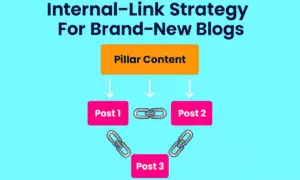
Feeling a bit lost on where to begin? Start by crafting content hubs around broad topics, then branch out with specific posts that all link back to these hubs. It’s a bit like a tree with branches reaching out for readers to explore.
By the way, for all this interconnected magic to happen, mastering these strategies with a solid guide could be your winning ticket. Curious to take a peek? The training ground at Wealthy Affiliate has all that you need.
Practical Action Points for Internal Linking
Let’s roll up those sleeves and get practical with internal linking tips and tricks. First on the to-do list—create a simple checklist that includes linking to cornerstone content, using relevant keywords in anchor texts, and regularly revisiting your links to ensure they’re live and kicking.
When you sit down to write, have your list of past blog posts handy. Aim for at least 2-3 valuable internal links per new post, making sure each link is purposeful and adds to the reader’s understanding of the topic.
Want to get strategic with anchor texts? Use specific phrases that give readers insights into the linked content. Something like ‘discover the perks of blogging strategies’ sounds a lot tastier than just ‘click here’.
Make sure to use tools like Google Search Console to identify any broken links. Regular maintenance keeps your blog’s architecture from crumbling.
Ready for a hands-on example? Look into ‘My Wealthy Affiliate Review 2025 – Is It Worth It?‘ for practical inspiration on how structured internal links can work wonders. You can explore it.
Exploring actionable guides primes you for greater success in internal linking. It’s highly recommended to hone these skills with expert advice.
FAQs and Final Thoughts
Internal linking is the secret weapon every new blogger should wield to create sticky, enjoyable content journeys for readers. To wrap things up, let’s tackle some common FAQs you might have floating around.
-What is an internal link? An internal link is any hyperlink that connects one page of your site to another. It’s key for improving navigation, boosting SEO visibility, and ensuring readers stay engaged on your site.
-How many internal links per page should I aim for? While there’s no hard rule, aiming for 2-3 relevant internal links per page is generally a good bet. Consistency is key, so keep it natural and helpful.
-What are the best practices for internal linking? Use descriptive anchor text, prioritize links to cornerstone content, and maintain a balance between new and older posts to keep all your valuable content in circulation.
As your blog evolves, being vigilant about these practices makes for a robust internal link strategy that’ll pay off in reader satisfaction and search engine love. Along the journey, having a resource like Wealthy Affiliate can guide you through honing your skills, ensuring each link counts. Sounds intriguing, right? Dive into the vast pool of resources offered at Wealthy Affiliate and enhance your blog.
This wraps up our internal linking odyssey—armed with these insights, your new blog’s future seems bright and interconnected.